- Duration
- 9 days
- Difficulty
- Demanding
- Level
- Fit hikers
- Group
- Shared group departures, or private
- High point
- 5,895 m (Uhuru Peak)
- Season
- All year; best June–October and December–early March
The trip
Altezza Travel is one of the largest Kilimanjaro operators, and it shows in the logistics: its own hotels and vehicles in the Kilimanjaro region, gear inspected before every departure, a personal gear check on arrival, and guides certified as Wilderness First Responders who check your health every morning and evening. The company reports that 94.9% of its climbers on this seven-day Lemosho itinerary reached Uhuru Peak. That is its own record, not a guarantee.
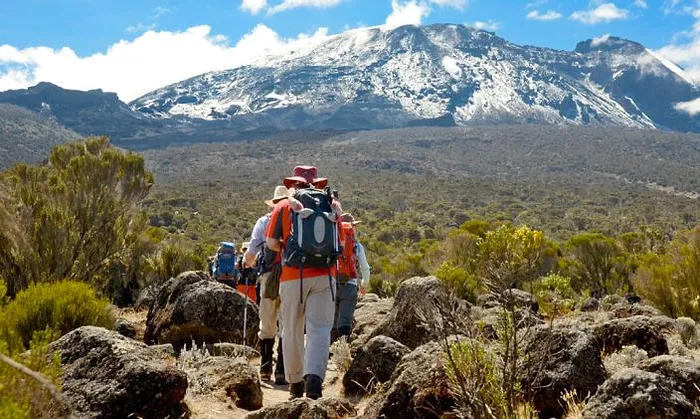
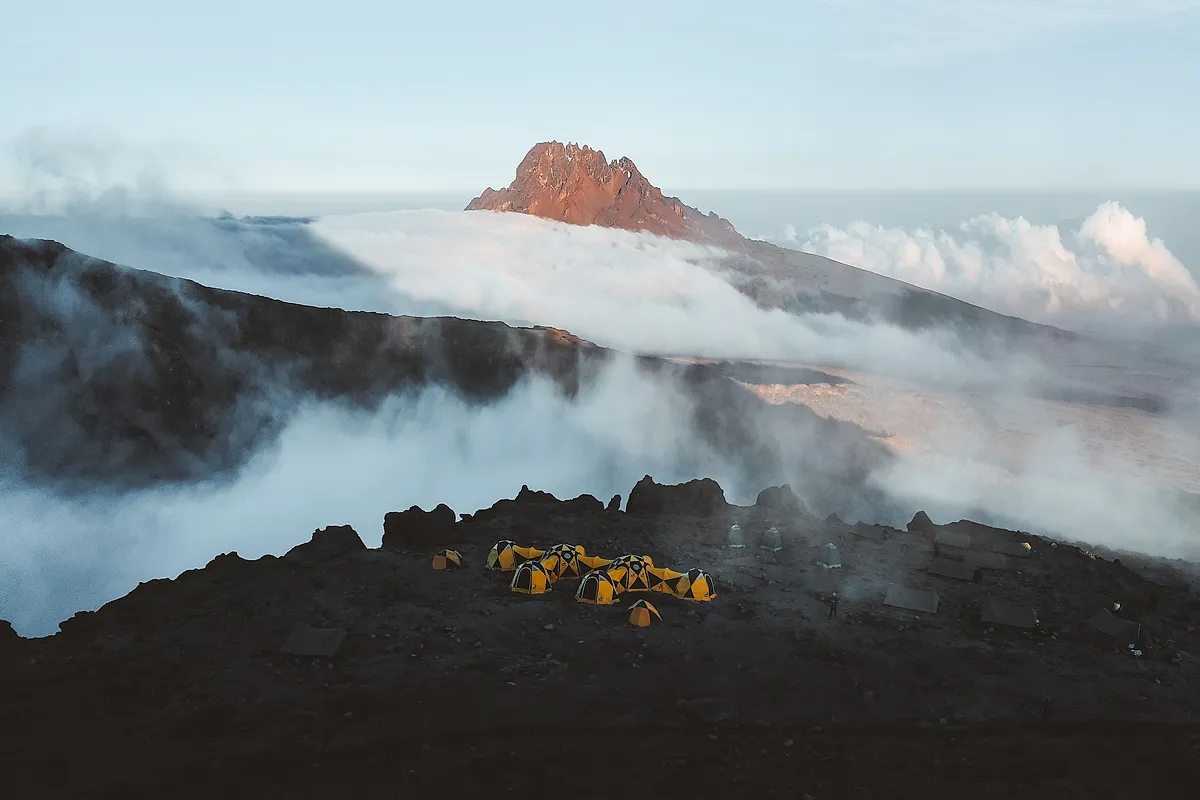
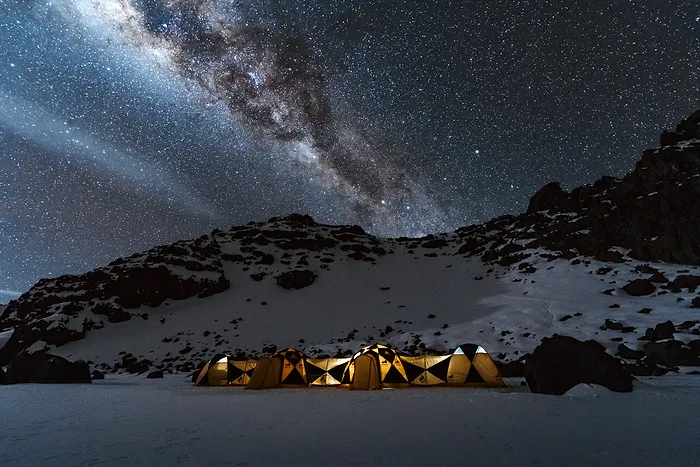
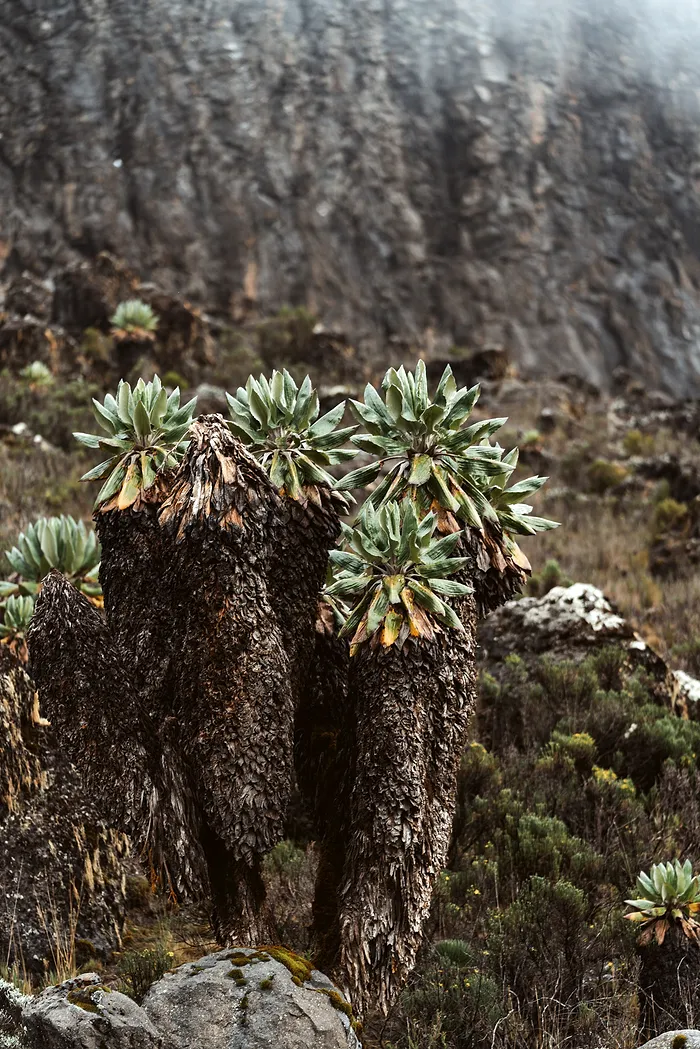
The route is the western Lemosho approach: a drive to about 3,600 m and a short first walk to Shira 1 camp, across the Shira Plateau (with Cathedral Peak sometimes offered on the way), an acclimatisation day via Lava Tower down to Barranco, the Barranco Wall, Karanga and Barafu, then the night ascent and the descent via Millennium camp to Mweka Gate.
Altezza is a partner of KPAP, the Kilimanjaro Porters Assistance Project, which checks that porters are fairly paid, fed and equipped. It is the most expensive Kilimanjaro program on this site; the price reflects the level of service rather than a different itinerary.
- 94.9% historical summit rate on this itinerary (Altezza's own figures)
- WFR-certified guides and health checks morning and evening
- KPAP partner: porters fairly paid, fed and equipped
- Own hotels and vehicles, inspected gear, personal gear check
Day by day
Day 1 · Arrival
Pickup at Kilimanjaro airport, transfer to the hotel, pre-climb briefing in the evening.
Day 2 · Drive to about 3,600 m, walk to Shira 1 camp
Via Londorossi Gate for registration, then by off-road vehicle to the trailhead. 5 km, 1 to 2 hours on foot.
Day 3 · Shira 1 to Shira 2 camp (3,850 m)
Across the Shira Plateau, with a possible detour to Cathedral Peak (3,872 m) and an afternoon acclimatisation walk. 7 km, 3 to 4 hours.
Day 4 · Via Lava Tower (about 4,600 m) to Barranco camp
Lunch at altitude by Lava Tower, then down to Barranco. 12 km, 6 to 8 hours.
Day 5 · Barranco Wall to Karanga camp (3,960 m)
The Barranco Wall, then rolling ground to Karanga, plus a short acclimatisation walk towards Barafu. 5 km, 4 to 5 hours.
Day 6 · Karanga to Barafu camp
6 km, 4 to 5 hours, and the rest of the day to rest before the night start.
Day 7 · Uhuru Peak (5,895 m), then Millennium camp
Night departure for the summit, back to Barafu for a rest, then down to Millennium camp. 15 km, 8 to 12 hours.
Day 8 · Down to Mweka Gate
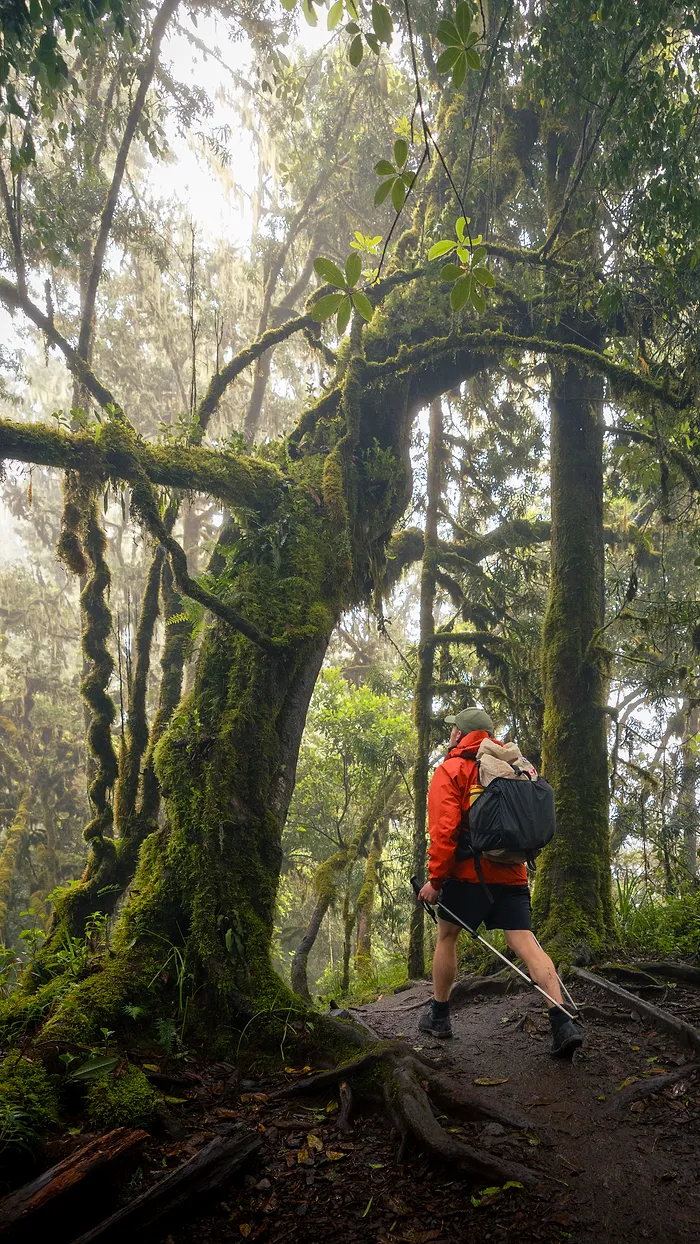
Through the rainforest to the gate, about 12 km, then back to the hotel. Certificates for those who reached Stella Point or Uhuru Peak.
Day 9 · Departure
Transfer to the airport.
Dates
63 departures between 30 Nov and 26 Dec 2026, 27 of them guaranteed: they run whatever the group size. Prices are per person. You can also ask for your own dates.
November 2026
- 30 Nov – 8 DecguaranteedUS$3,084
December 2026
- 5–13 DecguaranteedUS$3,084
- 8–16 DecguaranteedUS$3,084
- 11–19 DecguaranteedUS$3,084
- 16–24 DecguaranteedUS$3,084
- 20–28 DecguaranteedUS$3,427
- 24 Dec – 1 JanguaranteedUS$3,578
- 26 Dec – 3 JanguaranteedUS$3,578
- 30 Dec – 7 JanguaranteedUS$3,578
January 2027
- 3–11 JanguaranteedUS$3,578
- 8–16 JanguaranteedUS$3,578
- 11–19 JanguaranteedUS$3,578
- 16–24 JanguaranteedUS$3,578
- 24 Jan – 1 FebguaranteedUS$3,578
- 26 Jan – 3 FebguaranteedUS$3,578
- 30 Jan – 7 FebguaranteedUS$3,578
February 2027
- 1–9 FebguaranteedUS$3,578
- 7–15 FebguaranteedUS$3,578
- 11–19 FebguaranteedUS$3,578
- 13–21 FebguaranteedUS$3,578
- 21 Feb – 1 MarguaranteedUS$3,578
- 27 Feb – 7 MarguaranteedUS$3,578
March 2027
- 7–15 MarguaranteedUS$3,578
May 2027
- 15–24 MayguaranteedUS$3,221
- 29 May – 7 JunguaranteedUS$3,221
June 2027
- 4–12 JunUS$3,578
- 12–20 JunUS$3,578
- 20–28 JunUS$3,578
- 25 Jun – 3 JulUS$3,578
July 2027
- 1–9 JulUS$3,578
- 5–13 JulUS$3,578
- 9–17 JulUS$3,578
- 15–23 JulUS$3,578
- 20–28 JulUS$3,578
- 25 Jul – 2 AugUS$3,578
- 31 Jul – 8 AugUS$3,578
August 2027
- 6–14 AugUS$3,578
- 8–17 AugguaranteedUS$3,578
- 12–20 AugUS$3,578
- 14–22 AugUS$3,578
- 16–24 AugUS$3,578
- 20–28 AugUS$3,578
- 28 Aug – 5 SepUS$3,578
September 2027
- 1–9 SepUS$3,578
- 9–17 SepUS$3,578
- 12–20 SepUS$3,578
- 17–25 SepUS$3,578
- 18–26 SepUS$3,578
- 24 Sep – 2 OctUS$3,578
- 27 Sep – 5 OctUS$3,578
- 29 Sep – 7 OctUS$3,578
October 2027
- 2–10 OctUS$3,578
- 5–13 OctUS$3,578
- 10–18 OctUS$3,578
- 16–24 OctUS$3,578
November 2027
- 29 Nov – 8 DecguaranteedUS$3,221
December 2027
- 4–12 DecUS$3,221
- 7–15 DecUS$3,221
- 10–18 DecUS$3,221
- 15–23 DecUS$3,221
- 20–28 DecUS$3,578
- 23–31 DecUS$3,578
- 26 Dec – 3 JanUS$3,578
Price per person
| 1 person | US$4,778 / person |
| 2 people | US$3,881 / person |
| 3 people | US$3,578 / person |
| 4 people | US$3,492 / person |
| 5 people | US$3,405 / person |
| 6 people | US$3,297 / person |
| 7 people | US$3,189 / person |
| 8 people | US$3,081 / person |
Prices include the Explore-Share service fee. A deposit secures the dates; the balance is paid before departure. Cancellation terms are shown before you pay.
Included
- Airport transfers and hotel nights before and after the climb, with breakfast
- Inspected four-season camping equipment
- Guiding by WFR-certified mountain guides
- All mountain meals, adapted to dietary needs at no extra cost
- Porters working under KPAP welfare standards
- Park fees and taxes
- Twice-daily health checks, supplemental oxygen and full medical kits
- Explore-Share service fee and secure payment
Not included
- International flights to Kilimanjaro International Airport (JRO)
- Tanzania visa (about USD 50, or USD 100 for US citizens)
- Travel insurance covering trekking up to 6,000 m, including evacuation: required
- Tips for the mountain crew (budget about USD 250–300 per climber for the whole trek)
- Lunch and dinner at the hotel before and after the climb
- Personal gear and gear rental
- Single supplement and private portable toilet
Is it for you
- No climbing experience needed, but you must be able to walk 5–8 hours a day, several days in a row
- Summit night is 10–15 hours on foot, starting around midnight in the cold
- Train for 3–6 months: long hikes with your daypack, ideally on back-to-back days
- Altitude affects everyone differently, whatever their fitness: the guide's call on going up or down is final
What to bring
- Waterproof hiking boots, already broken in, plus light shoes or sandals for camp
- Layers: base layer, fleece, down jacket for summit night, waterproof jacket and trousers
- Warm hat, thin gloves and insulated mittens, sun hat, category 3–4 sunglasses
- 30–35 L daypack with rain cover; your duffel (max 15 kg) goes with the porters
- Headlamp with spare batteries, reusable water bottles (plastic bottles are banned in the park)
- Sleeping bag rated well below freezing: rentable in Moshi, along with poles, gaiters and a summit jacket (about USD 80–150 for the main items)
Your guide
Kilimanjaro operator, KPAP partner · English
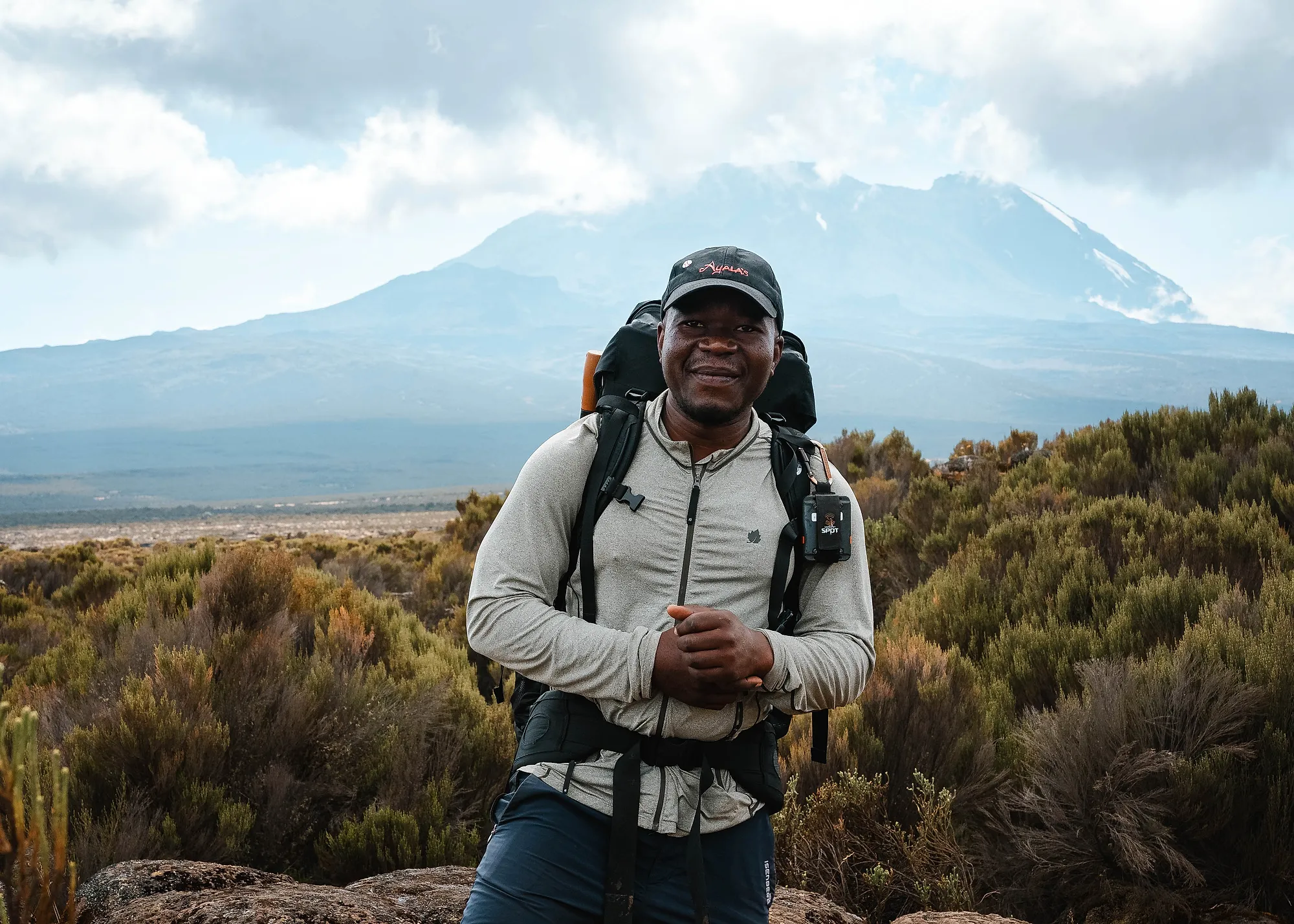
Altezza Travel is one of the main Kilimanjaro operators, with its own hotels, vehicle fleet and logistics teams in the region. Its guides are Wilderness First Responder certified.
Comparing programs? See the six Kilimanjaro programs side by side.
Meeting point and getting there
Kilimanjaro International Airport (pickup included). Fly into Kilimanjaro International Airport (JRO), between Moshi and Arusha. The airport pickup, the hotel nights in Moshi and every transfer to and from the park gates are part of the trip.
Reviews
“We booked the 7 day Lemosho route with a 5 day Safari after the hike. Altezza was fantastic in every way. When we arrived our entire group's baggage was lost. Altezza rented our missing gear at no cost and took care of getting our baggage once it finally arrived. On the mountain, the guides were highly professional and very experienced. […] We had rain and the guides and porters dried everything out. We really couldn't have asked for a better crew to help us up the mountain.”
“Just completed the Lemosho route with the magnificent team at Altezza Travel. […] Mesmerising mountain and pushed myself on summit day, but it was the experienced, dedicated and enthusiastic guides, porters and all other staff that made the trip so great.”
Reviews come from travellers who booked and completed the trip through Explore-Share; a traveller can only review a trip they took. We show a selection here and never edit the text, apart from cutting it for length […]. All 2 reviews on Explore-Share.
Questions people ask
Why is it more expensive than the other Lemosho trips?
Same mountain, same route; the difference is the operation behind it: own hotels and vehicles, inspected equipment, twice-daily medical checks, oxygen, and KPAP-standard porter conditions. If budget matters more, the Top Climbers and Kiliholidays Lemosho trips on this site follow almost the same line.
What is KPAP?
The Kilimanjaro Porters Assistance Project is a non-profit that monitors how operators treat their porters: fair wages, food, proper gear and load limits. Choosing a partner operator is the simplest way to make sure the people carrying your bag are treated properly.
Is it suitable for a first Kilimanjaro?
Yes, if you have trekking experience and train well. The first two days are gentle, but the high start and long summit day need preparation.
How much should I budget for tips?
Tips are customary on Kilimanjaro and are not in the price. As a guide, count about USD 20 a day for the lead guide, USD 15 for each assistant guide and the cook, and USD 8–10 for each porter, shared across your group. For one climber that usually works out at USD 250–300 for the whole trek. They are handed over in cash at the end of the climb.
Do I need special insurance?
Yes. Your policy must cover guided trekking up to 6,000 m, altitude sickness, rescue and evacuation (including by helicopter) and repatriation. Many standard travel policies stop at a lower altitude, so check the limit before you book.
Can I rent gear instead of buying it?
Yes. Sleeping bags, summit jackets, poles, gaiters, waterproof trousers and duffel bags can be rented in Moshi; ask for it with your booking so sizes are set aside. Bring your own boots, already broken in: new or borrowed boots are the main cause of blisters on the mountain.