- Duration
- 9 days
- Difficulty
- Demanding
- Level
- Fit hikers
- Group
- Shared departures or private, same price per person
- High point
- 5,895 m (Uhuru Peak)
- Season
- All year; best June–October and December–early March
The trip
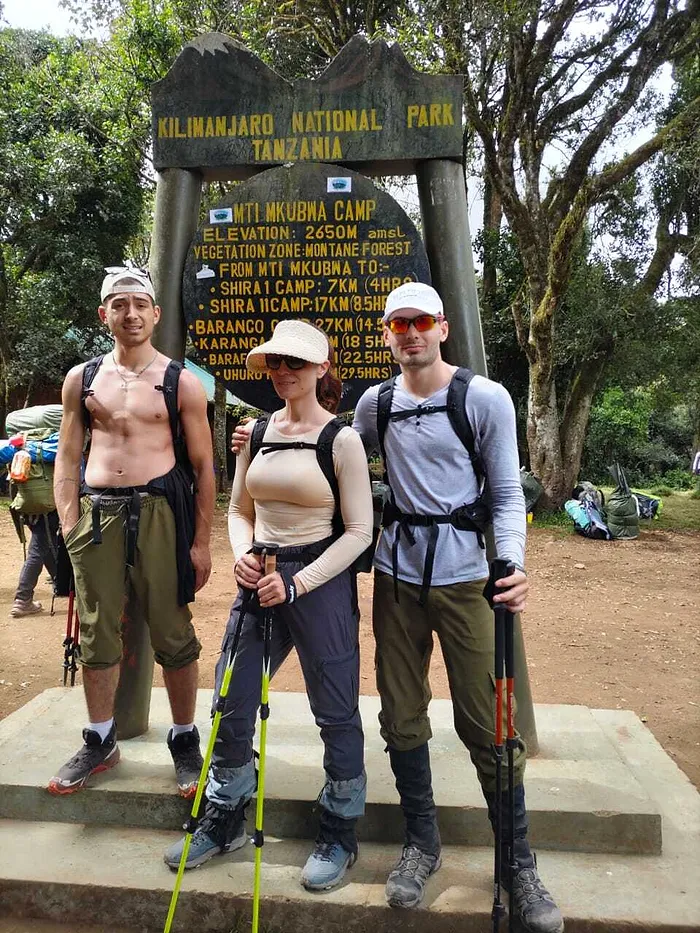
Lemosho comes at Kilimanjaro from the west, the quiet side, and crosses the whole Shira Plateau before joining the main southern trail. It is longer than Marangu or Machame, and that is the point: more days on the mountain, a classic "climb high, sleep low" day via Lava Tower (about 4,600 m) down to Barranco camp, and a gentler build-up before summit night.
This version starts with a drive to a high trailhead, so the first walk to Shira 1 camp is short. From there you cross the plateau, go up to Lava Tower and down to Barranco, scramble up the Barranco Wall (hands sometimes needed, no ropes), and reach Barafu camp for the night ascent to Uhuru Peak. The descent goes via Millennium camp to Mweka Gate.
Kiliholidays prices it the same per person whether you go alone or in a group, and runs guaranteed departures through the dry seasons. Two hotel nights in Moshi, airport transfers, tents, mats, a dining tent and all meals on the mountain are included.
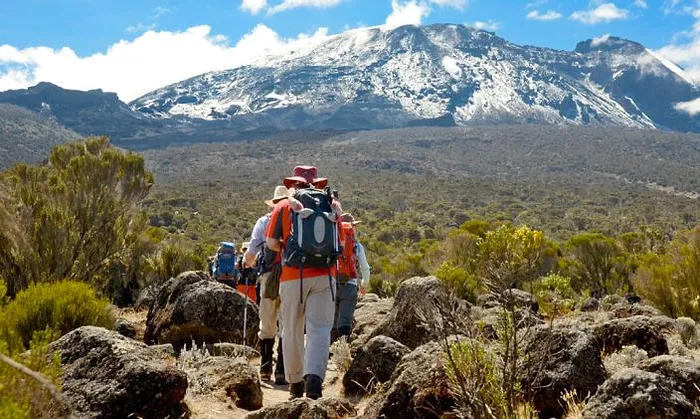
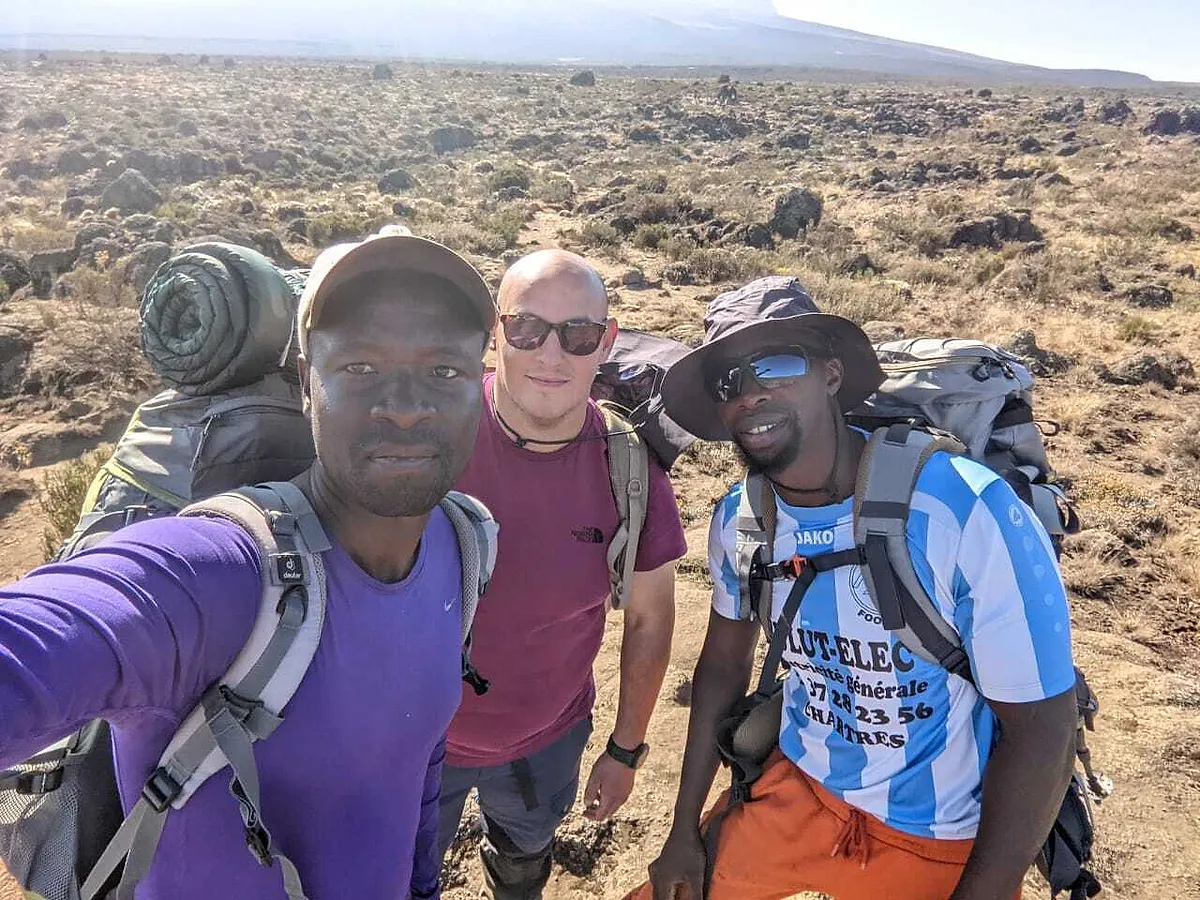
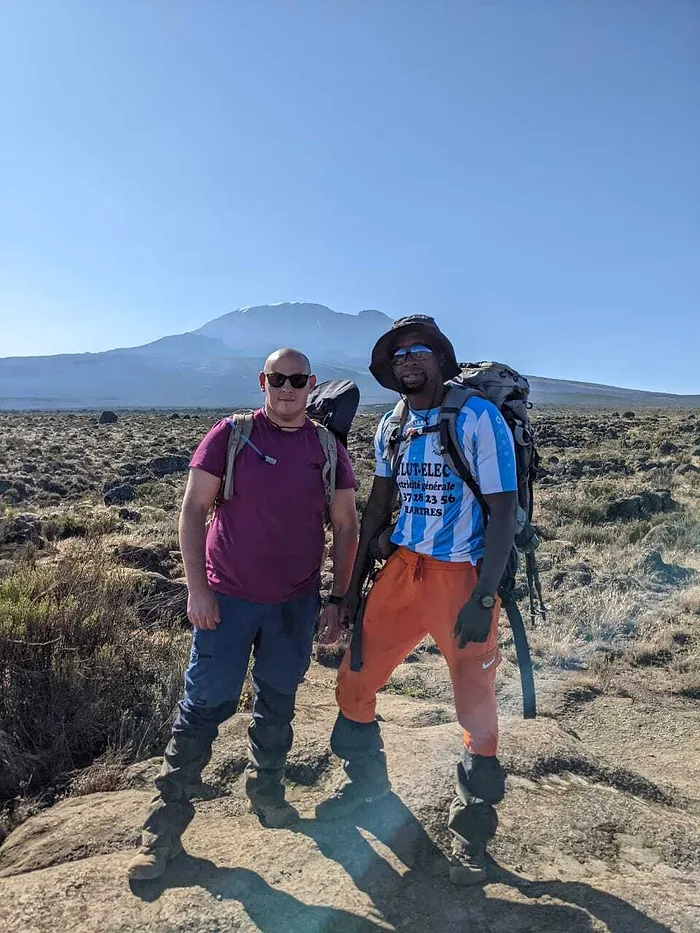
- The Shira Plateau, the quiet western side of the mountain
- Climb high, sleep low via Lava Tower for better acclimatisation
- The Barranco Wall scramble, then summit night from Barafu
- Same price per person, solo or in a group
Day by day
Day 1 · Arrival in Moshi
Airport pickup, hotel, and an evening briefing with your guide and a final gear check.
Day 2 · Drive to the western trailhead, walk to Shira 1 camp
Park registration, a high drop-off, then a short first walk onto the Shira Plateau.
Day 3 · Shira 1 to Shira 2 camp (about 3,900 m)
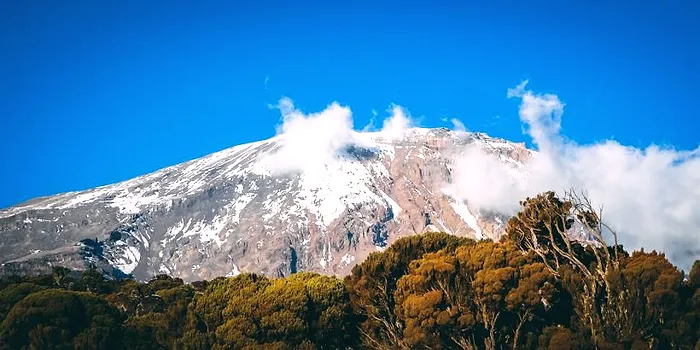
A gradual walk across the plateau through high moorland, with views of Kibo when it is clear.
Day 4 · Via Lava Tower (4,640 m) to Barranco camp (3,960 m)
About 700 m up to Lava Tower, then down to sleep at nearly the same height as the night before: the day that does most for your acclimatisation.
Day 5 · Barranco Wall to Karanga camp (4,035 m)
The steepest bit of the route, a scramble rather than a climb, then a traverse under the southern glaciers. 3 to 4 hours.
Day 6 · Karanga to Barafu camp (4,640 m)
Through alpine desert to the base camp for the summit. Afternoon of rest, early night.
Day 7 · Summit night, then down to Millennium camp
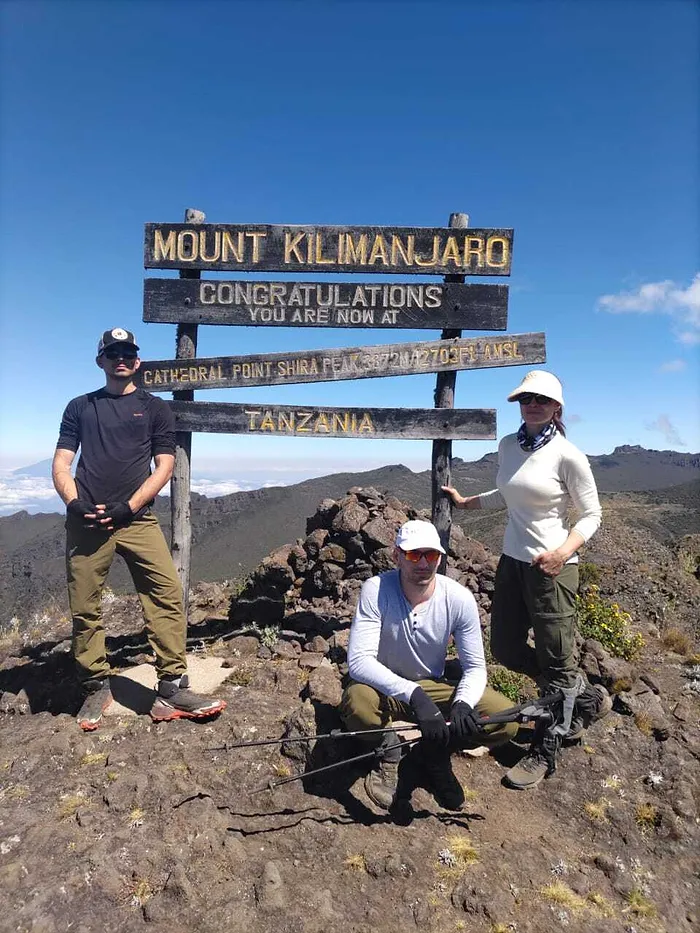
Departure around midnight to the crater rim and Uhuru Peak (5,895 m), then back to Barafu and down to Millennium camp.
Day 8 · Down to Mweka Gate and Moshi
Through the forest to the gate, goodbyes to the crew, and back to the hotel.
Day 9 · Departure
Breakfast and transfer to Kilimanjaro airport.
Dates
19 departures between 27 Nov and 7 Dec 2026, 19 of them guaranteed: they run whatever the group size. Prices are per person. You can also ask for your own dates.
November 2026
- 27 Nov – 5 DecguaranteedUS$2,811
December 2026
- 1–9 DecguaranteedUS$2,811
- 4–12 DecguaranteedUS$2,811
- 8–16 DecguaranteedUS$2,811
- 11–19 DecguaranteedUS$2,811
- 15–23 DecguaranteedUS$2,811
- 18–26 DecguaranteedUS$2,811
- 22–30 DecguaranteedUS$2,811
- 25 Dec – 2 JanguaranteedUS$2,811
- 29 Dec – 6 JanguaranteedUS$2,811
January 2027
- 1–9 JanguaranteedUS$2,811
February 2027
- 22 Feb – 2 MarguaranteedUS$2,811
- 24 Feb – 4 MarguaranteedUS$2,811
November 2027
- 30 Nov – 8 DecguaranteedUS$2,811
December 2027
- 2–10 DecguaranteedUS$2,811
- 4–12 DecguaranteedUS$2,811
- 5–13 DecguaranteedUS$2,811
- 6–14 DecguaranteedUS$2,811
- 7–15 DecguaranteedUS$2,811
Price per person
| 1 person | US$2,432 / person |
| 2 people | US$2,432 / person |
| 3 people | US$2,432 / person |
| 4 people | US$2,432 / person |
| 5 people | US$2,432 / person |
| 6 people | US$2,432 / person |
| 7 people | US$2,432 / person |
| 8 people | US$2,432 / person |
Prices include the Explore-Share service fee. A deposit secures the dates; the balance is paid before departure. Cancellation terms are shown before you pay.
Included
- Airport transfers and transfers to the park gates
- Two hotel nights in Moshi, one before and one after
- Kilimanjaro National Park, camping, conservation and rescue fees
- Tents, sleeping mats, and a dining tent with table and chairs
- All meals on the trek, hot drinks and treated water
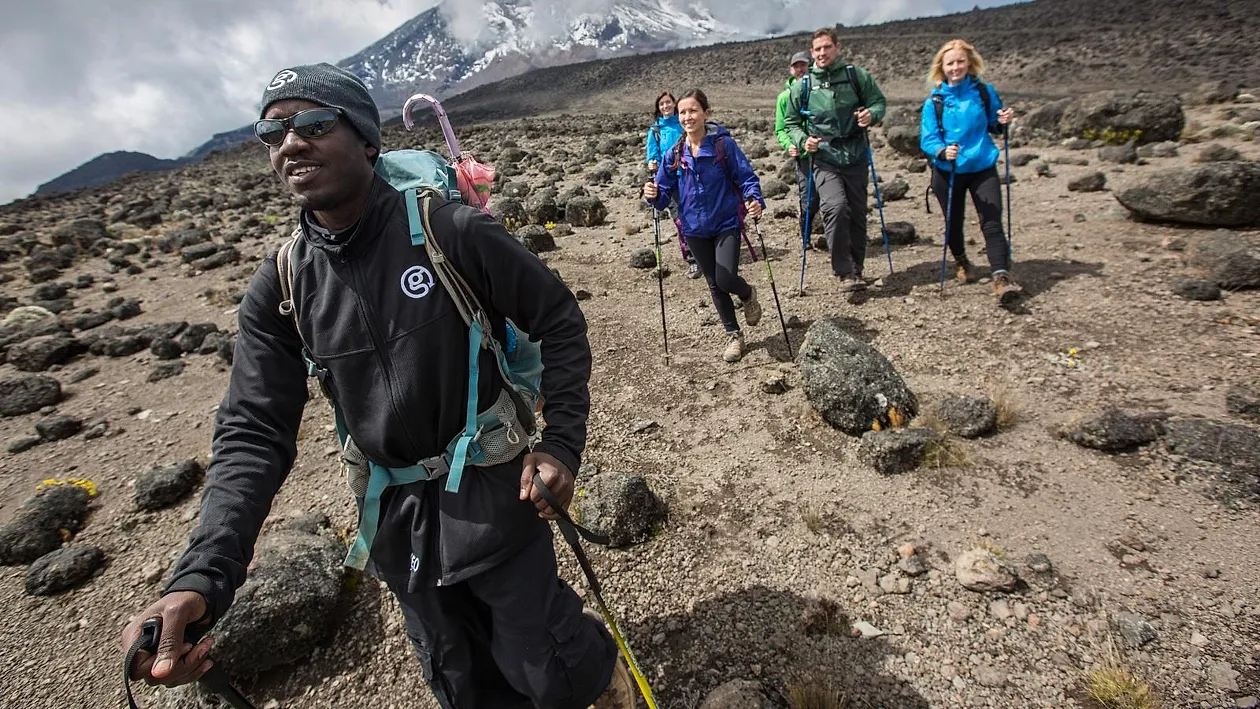
- Certified guides, porters and a cook
- Daily health and altitude checks
- Taxes, and the Explore-Share service fee and secure payment
Not included
- International flights to Kilimanjaro International Airport (JRO)
- Tanzania visa (about USD 50, or USD 100 for US citizens)
- Travel insurance covering trekking up to 6,000 m, including evacuation: required
- Tips for the mountain crew (budget about USD 250–300 per climber for the whole trek)
- Lunch and dinner at the hotel before and after the climb
- Personal gear and gear rental
- Private portable toilet (on request, extra cost)
Is it for you
- No climbing experience needed, but you must be able to walk 5–8 hours a day, several days in a row
- Summit night is 10–15 hours on foot, starting around midnight in the cold
- Train for 3–6 months: long hikes with your daypack, ideally on back-to-back days
- Altitude affects everyone differently, whatever their fitness: the guide's call on going up or down is final
What to bring
- Waterproof hiking boots, already broken in, plus light shoes or sandals for camp
- Layers: base layer, fleece, down jacket for summit night, waterproof jacket and trousers
- Warm hat, thin gloves and insulated mittens, sun hat, category 3–4 sunglasses
- 30–35 L daypack with rain cover; your duffel (max 15 kg) goes with the porters
- Headlamp with spare batteries, reusable water bottles (plastic bottles are banned in the park)
- Sleeping bag rated well below freezing: rentable in Moshi, along with poles, gaiters and a summit jacket (about USD 80–150 for the main items)
Your guide
Local operator in Moshi · English
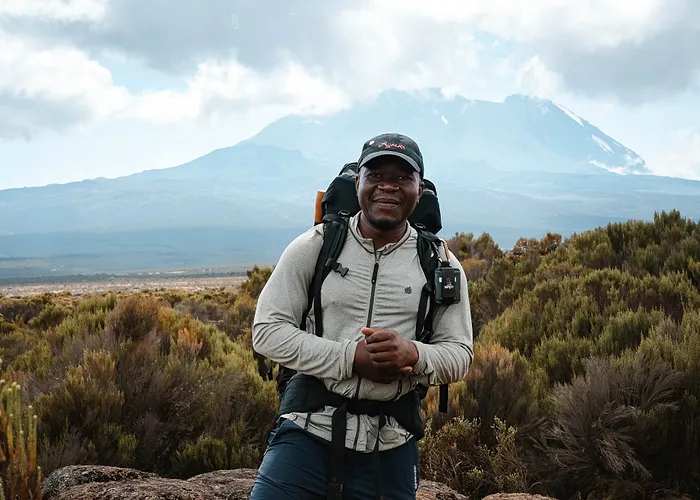
Kiliholidays is a Tanzanian operator based in Moshi, run by Mack Msechu. Its guides are licensed by Kilimanjaro National Park and trained as Wilderness First Responders.
Comparing programs? See the six Kilimanjaro programs side by side.
Meeting point and getting there
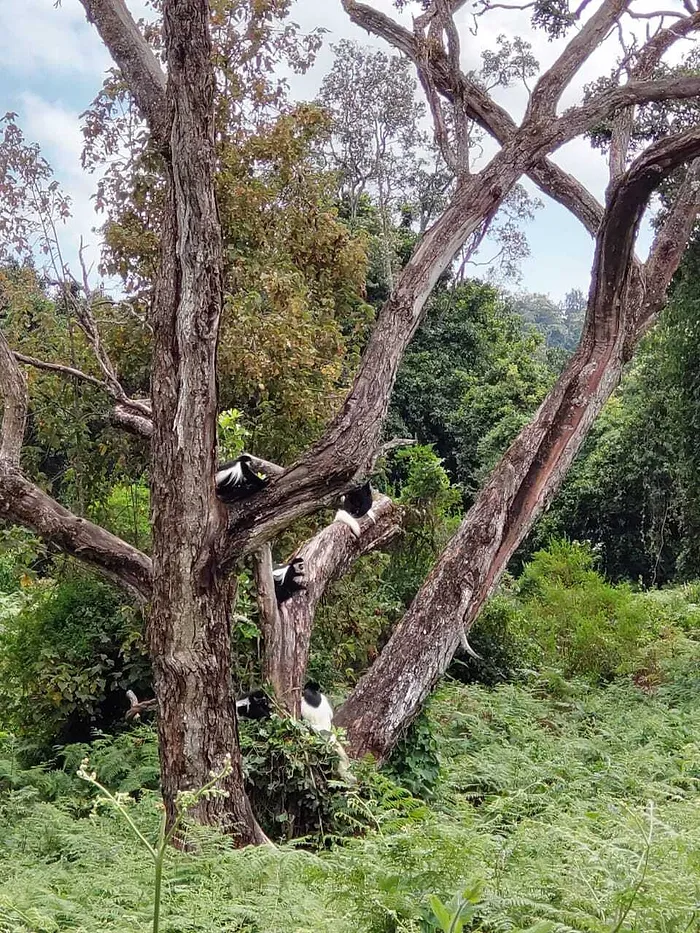
Kilimanjaro International Airport (pickup included). Fly into Kilimanjaro International Airport (JRO), between Moshi and Arusha. The airport pickup, the hotel nights in Moshi and every transfer to and from the park gates are part of the trip.
Reviews
Reviews come from travellers who booked and completed the trip through Explore-Share; a traveller can only review a trip they took. We show a selection here and never edit the text, apart from cutting it for length […]. All 16 reviews on Explore-Share.
Questions people ask
Why choose Lemosho?
It is longer, quieter at the start and better for acclimatisation than the shorter routes, and the Shira Plateau is one of the most beautiful parts of the mountain. The price is a little higher than Marangu because of the extra days.
Is the Barranco Wall dangerous?
It is a steep, rocky scramble of an hour or two where you sometimes use your hands. There is no rope and no technical climbing; the guides help you through the few awkward steps.
Can I join a group, or go private?
Both. You can join one of the published departures or ask for your own dates, alone or with friends. The departures marked as guaranteed run even if you are the only climber. Unless you ask for a private trip, other climbers may join your departure.
How much should I budget for tips?
Tips are customary on Kilimanjaro and are not in the price. As a guide, count about USD 20 a day for the lead guide, USD 15 for each assistant guide and the cook, and USD 8–10 for each porter, shared across your group. For one climber that usually works out at USD 250–300 for the whole trek. They are handed over in cash at the end of the climb.
Do I need special insurance?
Yes. Your policy must cover guided trekking up to 6,000 m, altitude sickness, rescue and evacuation (including by helicopter) and repatriation. Many standard travel policies stop at a lower altitude, so check the limit before you book.
Can I rent gear instead of buying it?
Yes. Sleeping bags, summit jackets, poles, gaiters, waterproof trousers and duffel bags can be rented in Moshi; ask for it with your booking so sizes are set aside. Bring your own boots, already broken in: new or borrowed boots are the main cause of blisters on the mountain.